
Hungary’s 2026 Vote Signals End of Ideological Loyalty Politics

The outcome of the Hungarian parliamentary elections of April 12, 2026, cannot be interpreted solely through the classical paradigm of electoral alternation. The victory secured by Péter Magyar and the rise of TISZA represent far more than the success of an anti-government campaign directed against Viktor Orbán and Fidesz. When correlated with the statistical structure […]

Zelensky’s New Ally: When Bucharest Joins the Pressure on Hungary
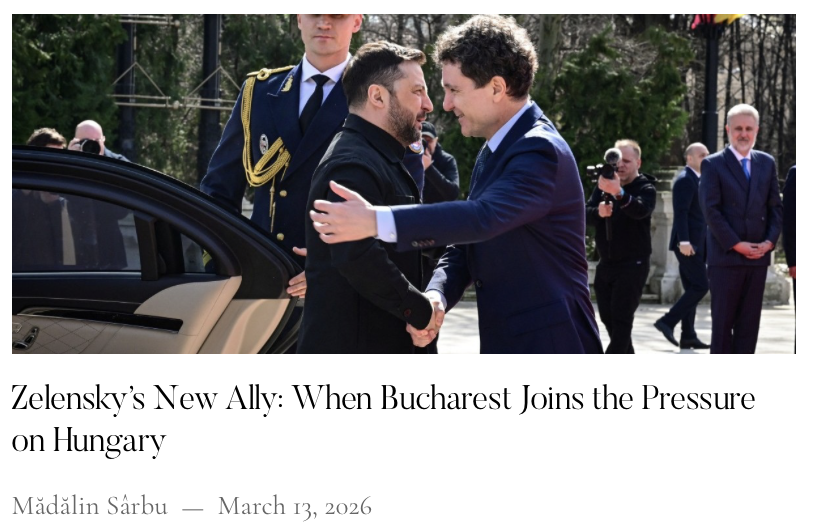
A statement by the Romanian president reveals how Ukraine’s political pressure on Hungary is finding allies inside the European Union. In European politics, alliances rarely appear through formal declarations. More often, they reveal themselves in a sentence—one remark that suddenly clarifies where political loyalties truly lie. Such a moment occurred during the recent visit of […]
The Myth of the Diaspora Vote

Article written by Richard J. Schenk & Alina Alupoaei for The European Conservative In the political debates surrounding Hungary’s elections, one argument surfaces with remarkable regularity: that the Hungarian diaspora, especially the Hungarian minority in Romania, plays a decisive role in keeping Viktor Orbán in power in Hungary. The claim has become a recurring theme […]
When Brussels Decides the Winner: Romania and the Crisis of European Democracy
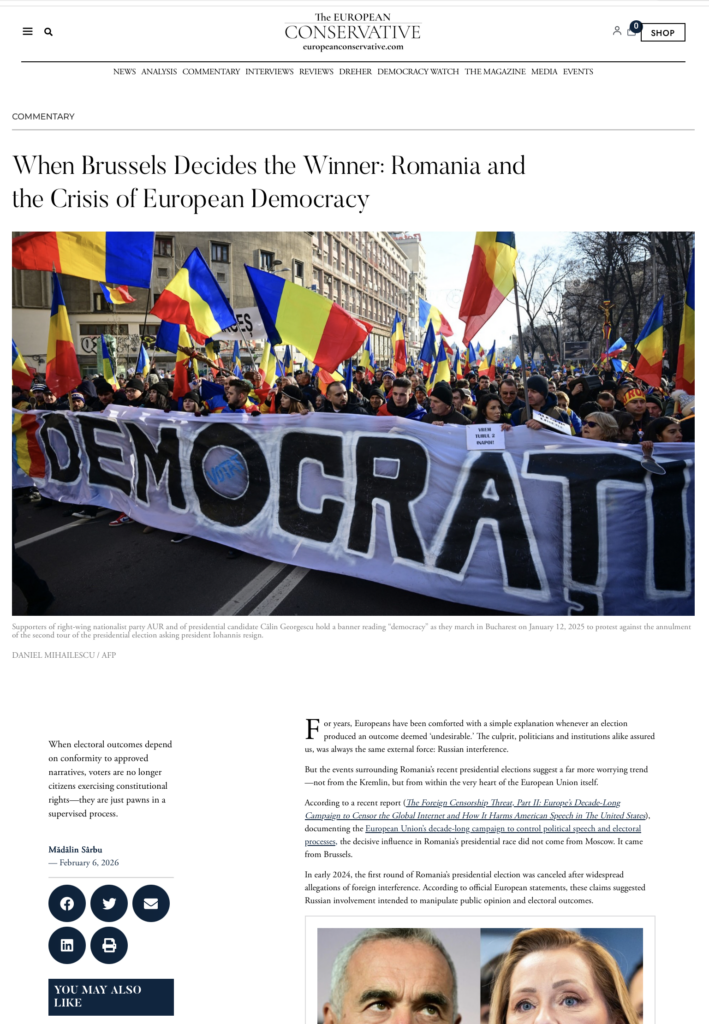
For years, Europeans have been comforted with a simple explanation whenever an election produced an outcome deemed ‘undesirable.’ The culprit, politicians and institutions alike assured us, was always the same external force: Russian interference. But the events surrounding Romania’s recent presidential elections suggest a far more worrying trend—not from the Kremlin, but from within the […]
Romania and the Crisis of Strategic Voice
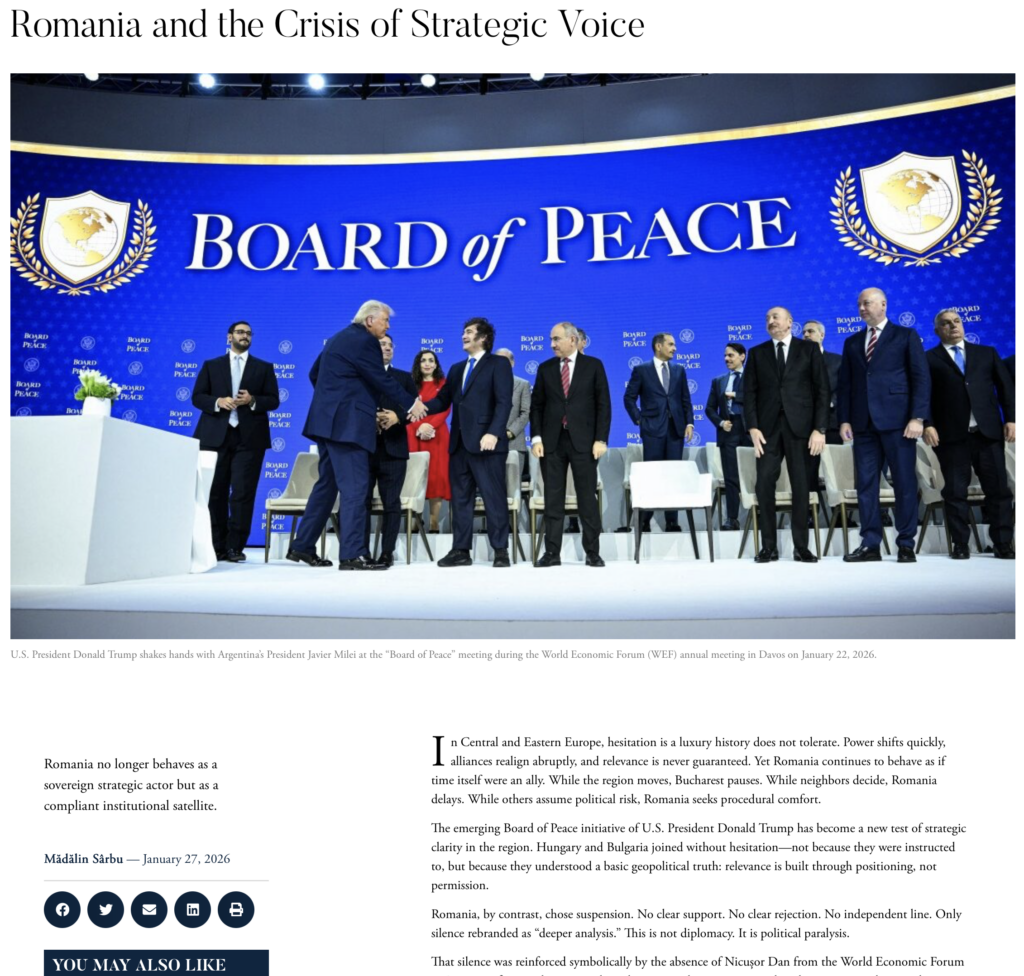
In Central and Eastern Europe, hesitation is a luxury history does not tolerate. Power shifts quickly, alliances realign abruptly, and relevance is never guaranteed. Yet Romania continues to behave as if time itself were an ally. While the region moves, Bucharest pauses. While neighbors decide, Romania delays. While others assume political risk, Romania seeks procedural […]
Romania’s Mercosur Submission: Obedience Over Democracy
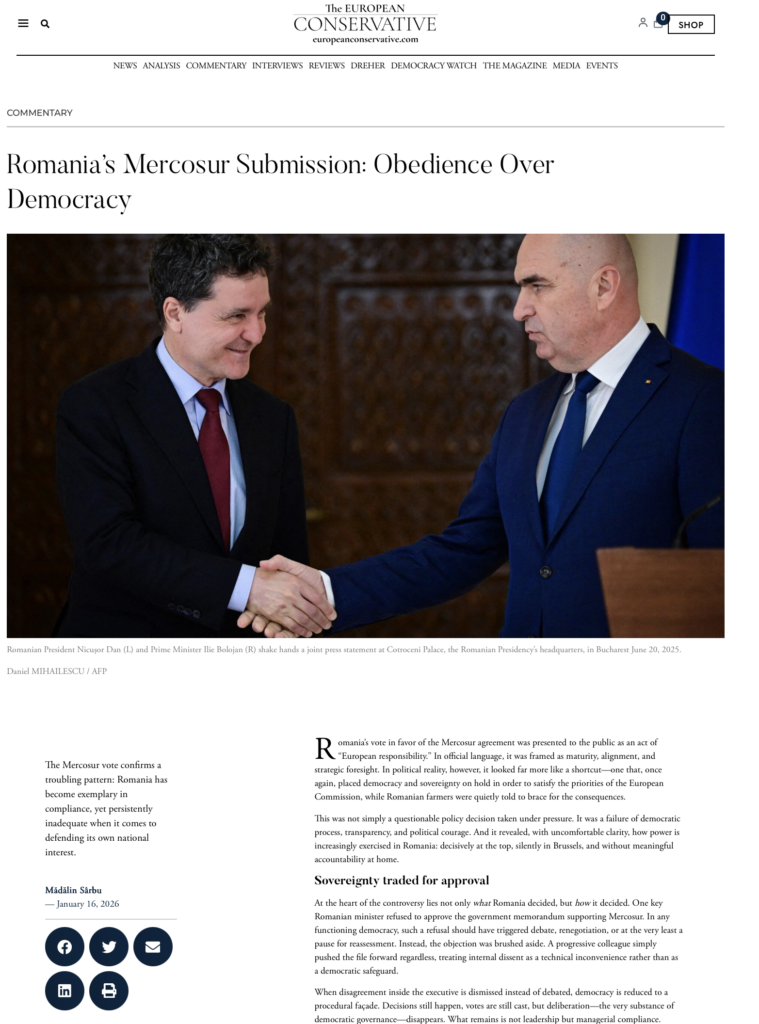
Romania’s vote in favor of the Mercosur agreement was presented to the public as an act of “European responsibility.” In official language, it was framed as maturity, alignment, and strategic foresight. In political reality, however, it looked far more like a shortcut—one that, once again, placed democracy and sovereignty on hold in order to satisfy […]
In a Silent Region, Orbán Fills the Void
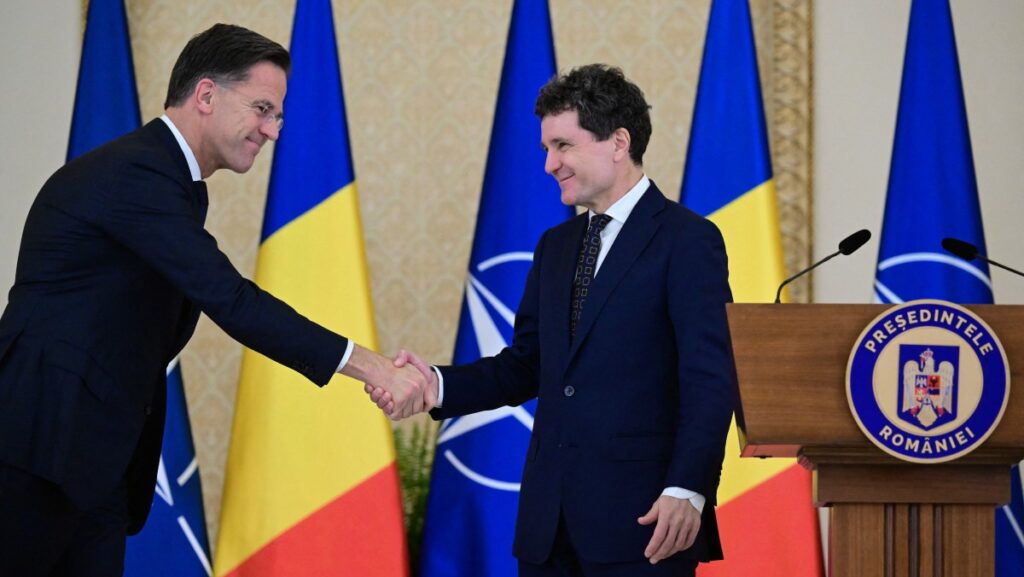
While Romania is obedient, Hungary fills the regional vacuum not because it is the most powerful state, but because it has the confidence to speak when others hesitate.